Nobody tells you that the most dangerous window in off-grid life isn't the first winter, it's the first month. That's when you're camping in a half-built situation, running on adrenaline and takeout coffee, and making permanent decisions about water, waste, and shelter under pressure you didn't plan for. Many of the problems people blame on "off-grid living" seem to trace back to choices made in week one, before anyone had their bearings.
This isn't a homesteading fantasy list. It's a triage order, the sequence that keeps you safe, legal, and sane while everything else gets built around you. If you already read our piece on starting a small off-grid homestead and what actually happens the first six months, think of this as the zoomed-in version: day one through day thirty, in the order that actually matters.
Why the first 30 days are different from the rest of the first year
Later on, you're solving problems with a working system. In month one, you often have no system at all: no reliable water, no tested power, sometimes no real walls yet. Every decision is made with less information and less margin for error than you'll have again.
One common temptation is trying to build the "someday" homestead right away: garden beds, chicken coops, a workshop. Meanwhile the two things that actually determine whether you survive comfortably, water and shelter from weather, get treated as afterthoughts. Flip that order and the first month goes from chaotic to merely busy.
Days 1-3: secure water and a dry, heated space before anything else
Before you unpack a single tool, answer two questions: where does drinking water come from today, and where do you sleep dry and warm tonight.
If your well isn't drilled yet or your rainwater catchment isn't plumbed, you need a water plan that doesn't depend on either. That usually means hauling water in food-grade containers from a known clean source, plus a gravity filter or pump filter on hand as backup, not as your primary treatment. We go deep on the tradeoffs in gravity water filters vs pump filters: what to actually trust, but the day-one rule is simpler: have at least two independent ways to get clean water, because your first month is exactly when the "temporary" plan gets tested by a broken pump or a contaminated tote.
Shelter is the same logic. A tent or unfinished cabin shell is fine for a night, not for a week, especially if nights dip below 40F. If your build isn't weathertight yet, a small enclosed space you can actually heat (a wall tent with a stove, a camper, a single sealed room) buys you the margin to work on everything else without wrecking your health or your sleep. Cold, sleep-deprived people make worse decisions about chainsaws, ladders, and electrical work, which is exactly the stuff you'll be doing this month.
Days 3-7: get eyes on your legal and paperwork obligations
This is the boring part everyone wants to skip, and it's exactly why it causes so much damage later. In your first week, confirm:
What your county actually requires before you can legally occupy a structure, even temporarily
Whether your septic, well, or outhouse plan needs a permit before you dig
Where your property lines and easements actually are, on the ground, not just on paper
You don't need your full solar array running in week two. You need enough power to charge tools, run a light, and keep a phone or radio alive. That's a very different, much smaller build than your eventual system.
A simple approach: one or two panels, a basic charge controller, a modest battery, and an inverter sized for lights, a laptop, and power tool charging. Wire it correctly from day one. Loose or undersized connections started as "temporary" wiring have a bad habit of becoming permanent, and permanent bad wiring is a fire risk. If you're new to this, read wiring an off-grid solar system safely: fuses, breakers, and wire gauge before you connect anything, not after something smokes.
This is also the week to figure out your communications baseline. Even a partial signal matters when you're calling contractors, checking weather, or dealing with a permit office. See staying reachable off-grid when there's no cell signal at all for the realistic options, and don't wait until an emergency to discover your phone has zero bars on your own driveway.
Week 2-3: set up sanitation you can actually maintain
A lot of new off-gridders improvise a bathroom situation in the first days and then never fix it, because by week three they're exhausted and it "works okay." That's how people end up with a genuinely unsanitary setup a year later.
Decide early whether you're going composting toilet, proper outhouse, or a temporary port-a-can arrangement while the real system gets built, and build it to a standard you won't be embarrassed by in six months. If an outhouse is the plan, siting matters more than people expect: distance from your well, slope, and soil type all affect whether it's a non-issue or a contamination problem. That's covered fully in building a proper off-grid outhouse: pit design, siting, and codes.
Handwashing gets overlooked in the rush too, and it's not a minor detail when you're doing dirty manual labor all day. A simple gravity-fed station near your work area makes it easy to wash off dirt before eating, which is the point of having one. Details on setting one up are in handwashing and hygiene stations off-grid: staying sanitary without running water.
Week 3: stock what you actually need, not what you think you need
The classic first-month mistake is overbuying homestead gear and underbuying maintenance supplies. You don't need a full tool shop yet. You need the specific kit that keeps your current systems (water pump, generator, chainsaw) running, plus basic first aid.
Also start your fuel and spare parts inventory now, even in a small way. If your generator or water pump goes down in week three and you don't have the belt or filter it needs, you've just lost days you can't afford to lose. The full breakdown is in fuel and spare parts inventory: what to stockpile so nothing grinds to a halt.
Week 4: test your systems on purpose, don't wait for them to fail
By the end of the month, resist the urge to just keep building forward. Deliberately stress-test what you've got. Turn off the generator for a day and see how your battery bank holds up. Go a full day using only your backup water source. Check whether your phone actually gets signal during bad weather, not just on a clear afternoon.
This is a compressed version of the mindset behind the 90-day shakedown: testing your off-grid systems before you fully commit, just applied earlier and smaller in scope. You want to find the weak links while you still have slack in your schedule and mild weather, not in February when a failure becomes an emergency.
Common first-month mistakes worth naming directly
A few patterns show up again and again with new off-grid landowners:
Building the garden before securing water. Pretty in theory, backwards in practice.
Wiring "temporary" power with whatever wire was on hand, then forgetting to upgrade it.
Skipping the well or septic permit because "nobody's going to check." Sometimes nobody does. Unpermitted well or septic work can surface during a sale or refinance, so check what your county requires before you dig.
Underestimating how much decision fatigue affects safety. Fatigue and unfamiliar routines raise the risk around chainsaws and ladders, which is worth accounting for in those first exhausting weeks.
Assuming cell signal or internet will "probably work" instead of testing it before you're relying on it for a permit call or an emergency.
None of these are dramatic on their own. Stacked together in a single month, they're how a first year off-grid turns hard instead of merely demanding.
What actually matters by day 30
If you've got clean water sorted two ways, a dry heated space, your permits filed or at least identified, a small working power setup wired correctly, sanitation you're not embarrassed by, and a basic tool and first-aid stock, you're in genuinely good shape. Everything after that, the garden, the workshop, the livestock, the bigger solar array, is real homesteading. It's supposed to be slower and more enjoyable than the first month, because the first month's job was simply to make the rest of it safe to build.
If you want the bigger picture beyond the first month, our budgeting for off-grid life piece and the blog index have the rest of the year mapped out. And if something about your specific situation doesn't fit the general advice, our FAQ and contact pages are there for exactly that.
The rest of the shortlist
Recommended off-grid gear
Affiliate disclosure: Some links on this site are affiliate links, including Amazon links: as an Amazon Associate I earn from qualifying purchases. Buying through one costs you nothing extra, and it never changes what I recommend.
Products appear here only when they match this article's subject. Selection is based on documented specs and owner reports, never on compensation; pages with no relevant gear carry none.
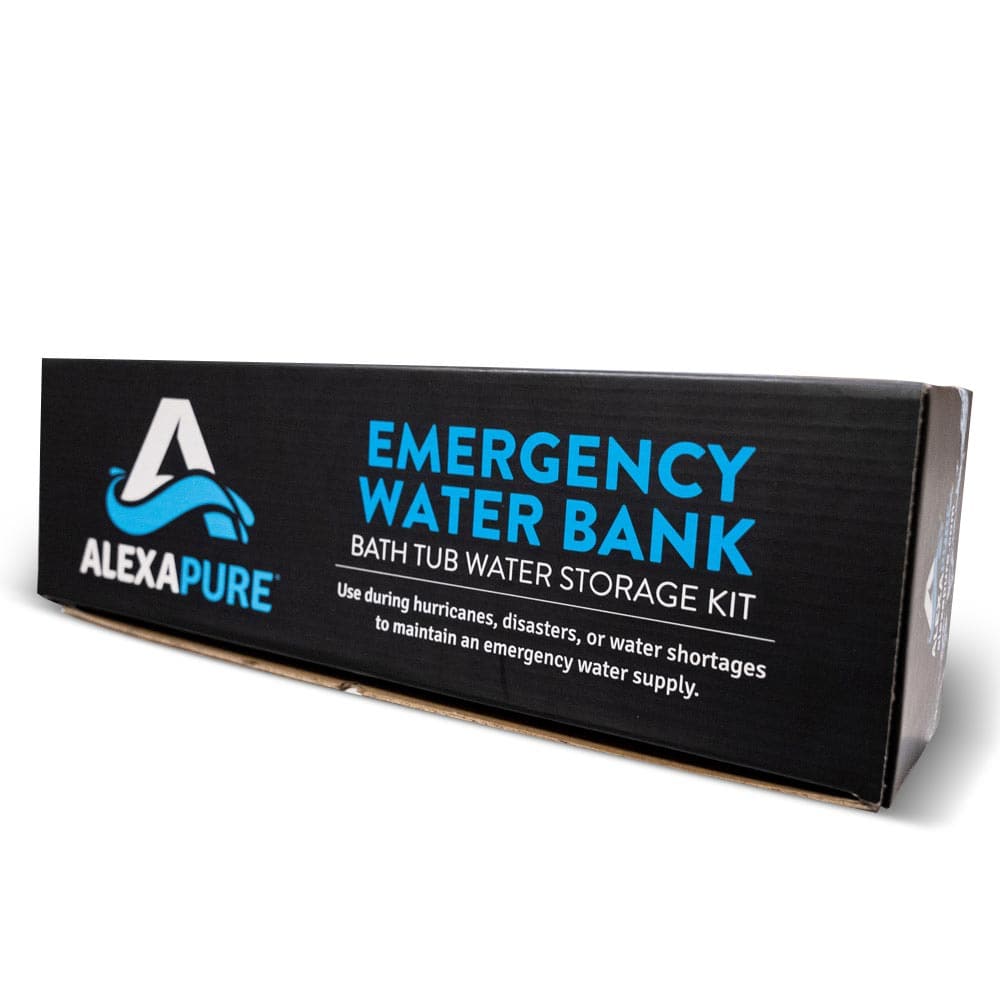
An emergency water bank with hand pump for storing a large volume of water before an outage or storm; check the current spec sheet for capacity details.
Why it's here: Listed because storage is the half of the water problem that filtration does not solve.
The Alexapure emergency water bank sold through Emergency Essentials, for storing a large volume of water before a storm or outage; check the current spec sheet.
Claim audit: 11 consequential claims checked against the article's sources; unsupported wording revised where it could not be substantiated.
Claim-by-claim audit (11 checked)
“Many of the problems people blame on "off-grid living" seem to trace back to choices made in week one, before anyone had their bearings.” (rewritten to what the article can stand behind)
“One common temptation is trying to build the "someday" homestead right away: garden beds, chicken coops, a workshop.” (rewritten to what the article can stand behind)
“Cold, sleep-deprived people make worse decisions about chainsaws, ladders, and electrical work, which is exactly the stuff you'll be doing this month.” (reasoning shown in the article)
“The reason this belongs in week one and not month three is simple: county rules can set filing or occupancy timelines, so ask yours early what clock is running.” (rewritten to what the article can stand behind)
“Miss a filing window and you can end up retrofitting permits onto work that's already done, which costs more and sometimes means tearing things out.” (cited → epa.gov)
“Loose or undersized connections started as "temporary" wiring have a bad habit of becoming permanent, and permanent bad wiring is a fire risk.” (reasoning shown in the article)
“If an outhouse is the plan, siting matters more than people expect: distance from your well, slope, and soil type all affect whether it's a non-issue or a contamination problem.” (cited → epa.gov)
“A simple gravity-fed station near your work area makes it easy to wash off dirt before eating, which is the point of having one.” (rewritten to what the article can stand behind)
“The first month combines new tools, new terrain, and unfamiliar equipment, and it's also when you're least likely to have a stocked kit if you haven't planned for it.” (rewritten to what the article can stand behind)
“Unpermitted well or septic work can surface during a sale or refinance, so check what your county requires before you dig.” (rewritten to what the article can stand behind)
“Fatigue and unfamiliar routines raise the risk around chainsaws and ladders, which is worth accounting for in those first exhausting weeks.” (rewritten to what the article can stand behind)
Before you go
One useful off-grid email a week.
Practical gear rundowns, honest how-tos, and plain-English guides from someone doing the homework in the open.
I am building a place for off-grid people to swap real answers: a forum by topic, classifieds for gear and services, and real estate for off-grid land and homes. It is new, so the early members shape what it becomes. A free account lets you post in all three.
No ER ten minutes away means you have to be your own triage nurse. Here's how to tell a bad bee sting from the real emergency, and what to actually stock.
In many off-grid disasters, the fire or flood itself isn't the decisive factor, it's the hour you waited too long to leave. Here's how to set real, numeric triggers before you need them.
Tax sale and sheriff's auction land looks like a bargain, but redemption periods, hidden liens, and unseen parcels turn a lot of cheap acreage into an expensive lesson. Here's how to vet a listing before you bid.