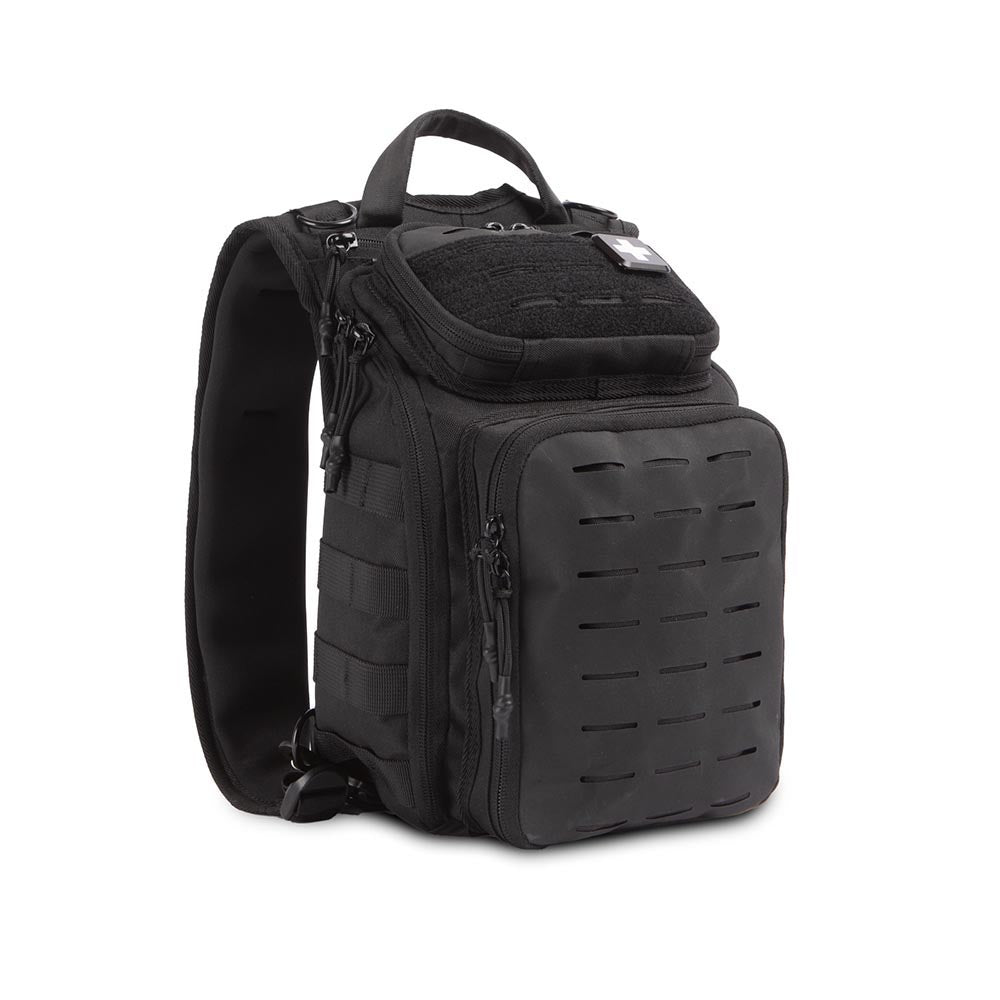
Building a real first-aid and trauma kit for a remote home
Rule of thumb: a store-bought "first aid kit" with adhesive bandages and antibiotic ointment is not enough once you are thirty, sixty, or ninety minutes from help. What you actually need is a layered kit built around the injuries that are realistic for your life out there, chainsaw cuts, falls, burns, animal bites, and the everyday stuff, splinters, sprains, headaches, stomach bugs.
Think of it in three tiers. The first is a basic kit you keep in the truck and by the door, for cuts, blisters, and minor burns. The second is a trauma kit, the one that matters most, built around stopping severe bleeding and stabilizing someone until you can get them evacuated. This should include a tourniquet you actually know how to use, hemostatic gauze, pressure bandages, and chest seals if you are running chainsaws, firearms, or heavy equipment regularly. The third tier is your home health shelf: over-the-counter medications for pain, allergy, digestive issues, and fever, plus whatever your household specifically needs.
- Buy trauma supplies from a medical supplier, not a generic camping aisle kit, the quality difference matters when it counts.
- Check expiration dates twice a year and rotate stock, medications and hemostatic agents do lose effectiveness.
- Store kits in more than one place: house, vehicle, barn or workshop, wherever accidents are most likely to happen.
- Label things clearly and keep a printed reference card in the kit, because in a real emergency nobody remembers the steps they read once.
This kind of preparation overlaps a lot with general self-reliance planning, so if you have not already, it is worth reading through my broader guide to prepping and resilience to see how your health kit fits into the rest of your emergency planning.
The remote first-aid skills worth learning
A kit without training is just a box of supplies. The single best investment you can make in your family's safety off-grid is not gear, it is a wilderness first aid or wilderness first responder course, taken in person, ideally refreshed every couple of years.
A few specific skills are worth naming because they come up so often in remote settings:
- Wound care: cleaning a wound properly, recognizing early signs of infection, and knowing when a cut needs stitches versus when butterfly closures or skin glue will do. Deep cuts from tools and machinery are one of the most common remote injuries.
- Splinting: how to immobilize a suspected fracture or bad sprain using what you have on hand, and how to check circulation below the splint. Falls from ladders, roofs, and uneven ground happen more than people expect once you are doing your own building and land work.
- Recognizing a real emergency: learning the warning signs of things that cannot wait, chest pain, difficulty breathing, signs of stroke, severe allergic reaction, a wound that will not stop bleeding, confusion after a head injury. Knowing these signs cold, so you are not guessing under stress, is what actually saves time.
- Knowing when to evacuate versus when to treat and monitor: this is the hardest judgment call and the one that improves the most with real training. A course teaches you decision points, not just techniques.
None of this is about being fearless or turning your home into a clinic. It is about closing the gap between "something happened" and "help arrives," which out here can be a much bigger gap than it is in town. The emotional weight of being the one responsible for that gap is real too, and that side of things, the anxiety, the pressure, the isolation of it, is worth reading about separately in my section on mental health and isolation.
Healthcare access far from a hospital
Living remotely does not mean giving up on regular healthcare, it means rebuilding your access to it around distance and connectivity instead of proximity. Most of the pieces already exist, you just have to assemble them before you need them, not during an emergency.
Telehealth has become the single biggest quality-of-life upgrade for remote healthcare. Routine consultations, prescription refills, follow-ups, and even a fair amount of mental health support can now happen over a video call, provided you have reliable internet. This is one more reason connectivity planning matters so much for remote living, and it is worth looking at my guide to connectivity if you have not settled on how you will get reliable service where you are.
Direct primary care, where you pay a membership fee for a doctor's practice instead of billing insurance for each visit, is worth looking into if it is available in your region. It tends to offer more flexible virtual access, longer appointment windows, and a doctor who actually knows your history, which matters a lot when you cannot just walk into urgent care.
A few practical habits make a real difference over time:
- Keep a 90-day supply of essential prescriptions when your insurance and pharmacy allow it, and store them properly, since heat and humidity degrade medication faster than the shelf-life date assumes.
- Find a mail-order or rural pharmacy relationship early, before you are scrambling for a refill during bad weather or a road closure.
- Do not neglect dental care. Remote living tends to push dental checkups down the priority list, but a toothache with no dentist for hours is a genuinely miserable experience. Schedule regular checkups around town trips rather than waiting until something hurts.
- If you or a family member manage a chronic condition, diabetes, hypertension, thyroid issues, and so on, build a specific plan with your doctor for what to do if you cannot get to a pharmacy or clinic for a week or two. Ask about backup supplies, home monitoring equipment, and clear thresholds for when a change in symptoms means you need to travel in rather than wait it out.
The goal is not to replace a hospital with grit and good intentions. It is to make sure the routine, predictable parts of healthcare, the parts that make up most of healthcare, keep working smoothly even when the nearest clinic is an hour or more away.
An actual emergency-response plan
Short version: before you buy land, find out how far you actually are from real trauma care, not straight-line distance on a map, but drive time on the actual roads, in the actual weather your area gets. This single piece of research changes how people think about remote property more than almost anything else.
Call the county emergency services office or the regional hospital system and ask directly, what is the realistic ambulance response time to this address, and where would a serious trauma case actually be transported. In some regions that is a nearby regional hospital. In others, it is a longer ground transport or a helicopter, and helicopter transport is not guaranteed, weather and availability affect it constantly. Knowing this number before you commit to land lets you make an honest decision rather than an optimistic one.
Once you are living there, build a written emergency plan and actually put it somewhere everyone in the house can find it, not just in your head:
- The nearest trauma center and the fastest known route, plus a backup route for when the main road is out.
- A satellite SOS messenger or similar device if you are outside reliable cell coverage. These devices let you trigger an emergency response and communicate basic status even with no cell signal, and for anyone off-grid they are one of the more important pieces of connectivity equipment you will own. This overlaps closely with general connectivity planning, worth revisiting in my connectivity guide.
- A clear, written protocol for who calls for help, who stays with the injured person, and who meets emergency responders at the road or gate, since remote addresses are notoriously hard for outside crews to find.
- A physical address sign visible from the road, and if your driveway is long or unmarked, a plan for guiding responders in by phone.
This kind of planning fits naturally alongside your broader household preparedness, and if you have not built out a full plan yet, my prepping and resilience guide walks through the wider version of this exercise.
Everyday preventive health
Most remote health problems are prevented by boring daily habits, not dramatic emergency gear, and the physical demands of off-grid life reward people who treat their bodies like the main tool they are.
Off-grid living tends to involve steady physical labor, chopping wood, hauling water, building, repairing, which newcomers often describe as a step up from their previous routine. That is generally good for you, but it also raises the stakes on basic maintenance:
- Stay current on vaccinations and routine screenings, scheduling them around town trips so they do not keep sliding.
- Pay attention to hydration and sun exposure if you are physically active outdoors most days, these cause more low-grade problems than people expect.
- Keep basic fitness up year-round rather than only during the busy season, since injuries often happen when someone pushes hard after months of less activity.
- Take hearing and eye protection seriously around tools and machinery, these are easy to skip and hard to reverse once damaged.
- Build a simple annual health rhythm, checkups, dental, eye exam, blood work, and treat it as non-negotiable rather than something you will get to eventually.
None of this requires a dramatic lifestyle overhaul. It is mostly about not letting distance from a clinic become an excuse to let routine care slide, because routine care is exactly what keeps you from needing the emergency version.
Common questions
Do I really need a trauma kit if I am not doing dangerous work?
Yes, mainly because falls, vehicle issues, and kitchen or tool injuries happen to everyone, not just people doing obviously risky work. A basic trauma kit and the training to use it closes the gap between an injury and the help arriving, and that gap is simply bigger in remote settings.
How do I find out my actual distance from trauma care before buying land?
Call the county emergency services office or the regional hospital directly and ask about realistic ambulance response times and where serious cases get transported. Drive the route yourself in different seasons if you can, since map distance rarely reflects real road and weather conditions.
Can I manage a chronic condition living off-grid?
In most cases yes, with planning. Work with your doctor on backup medication supplies, home monitoring, telehealth follow-ups, and clear thresholds for when you need to travel in rather than wait, so the condition stays manageable even with less frequent in-person access.