A dead battery bank at 9pm in January does not care how much you spent on panels. What gets you through that hour, and the next morning, is whatever in your shop still works when you turn a crank or push a pedal instead of flipping a switch.
Human-powered tools get dismissed as prepper novelty items, the kind of thing that shows up in a catalog next to a hand-cranked radio shaped like a flashlight. Some of that reputation is earned. A lot of hand-powered gear on the market is thin, plastic, and built for a shelf, not a workbench. But a smaller set of genuinely well-made human-powered tools has quietly kept off-grid households running for generations, long before anyone called it "off-grid" at all. The trick is knowing which ones are worth the money and the storage space, and which ones are solving a problem you don't actually have.
This is not a doomsday list. It's a practical inventory of the human-powered tools that still make sense next to a solar array and a generator, why they work, and how to use them without straining a joint or wasting a week's effort on a job a battery drill would finish in ten minutes.
Why bother when you already have solar and a generator
Every powered system in an off-grid setup has a failure mode. Panels get shaded, snowed over, or simply don't produce enough on a string of grey days. Batteries sag in the cold. Generators need fuel, and fuel needs a supply run that may not be possible in a whiteout or a washed-out road. If you've read our piece on generator backup for solar, you already know that even a well-sized generator is a mechanical device with its own list of ways to fail.
Human-powered tools don't have a failure mode tied to the grid, the weather, or a fuel truck. Your arms and legs are the power source, which means the tool works exactly as often as you're willing to work it. That's a real limitation (you cannot hand-crank your way through cutting a winter's worth of firewood), but for the specific, occasional, or emergency tasks where a small amount of power gets a job done, it's a dependable backup layer that costs nothing to keep charged.
Think of these tools less as a replacement for your powered kit and more as the layer underneath it, the same way you might treat a spare parts wall as insurance against a supply run you can't make. It's not about romanticizing manual labor. It's about having a working tool when the powered one is down.
The short list that actually earns its space
There's no shortage of hand-crank gadgets sold to off-grid and prepper audiences, but most of them are marginal at best. Here's what's actually proven itself useful, based on function rather than novelty.
A hand-crank grain mill. If you store wheat berries, dried corn, or other whole grains (a sensible move if you're already keeping a real seed bank and thinking in terms of self-sufficiency), a mill that doesn't need power is what turns that grain into usable flour when the electric mill is out of commission. Cast-iron burr mills clamped to a countertop are slow, and keeping them dry and lightly oiled is the main thing that protects the burrs from rust.
A manual water pump for your well. This is one of the highest-value additions on this list. A pitcher pump or a deep-well hand pump, installed alongside your electric well pump, means you are never more than a few minutes of arm work away from water even if the pump, the inverter, or the whole electrical system fails. Depending on your well's construction, it may be possible to install a simple hand pump as a secondary line in the same casing, so ask your well driller whether your setup allows it. If you haven't sized your storage and backup water access yet, this is worth pricing out at the same time you're working through sizing your off-grid water storage.
A hand-crank or foot-treadle grindstone. Related to but distinct from the whetstones covered in sharpening and maintaining hand tools, a treadle grindstone lets you reshape a badly damaged edge, not just touch one up. If you do any amount of axe or scythe work, a foot-powered grindstone removes material fast without the risk of overheating and ruining the temper the way a powered bench grinder can if you're not careful.
A hand drill (brace and bit, or an "eggbeater" hand drill). For small holes in wood, these are slower than a cordless drill but never need a charge. They also give you far more control for delicate work, which matters if you're doing furniture repair or fine joinery in the evening without running the generator just to charge a battery.
A manual clothes wringer. If you're doing laundry without shore power (a problem covered from the wastewater side in our post on off-grid laundry and dishwashing wastewater), a hand-crank wringer squeezes out water before you hang clothes, which should shorten drying time compared to hanging them soaking wet, with no powered spin cycle at all.
A crosscut saw or bow saw for backup, not primary use. A gas chainsaw is faster for volume firewood processing, and nobody is switching back to a two-man crosscut saw as their main method. But keeping one well-sharpened saw in the shed means a broken chainsaw or an empty fuel can doesn't stop you from getting through a downed limb blocking the driveway.
A hand-crank radio with a solar panel built in. This is one spot where the "gadget" version genuinely holds up, provided you buy a well-reviewed model from a name-brand emergency radio manufacturer rather than a dollar-store knockoff. It won't power your comms stack, but it will get you a weather alert or an AM broadcast when your main radio setup, discussed in our post on powering your comms gear off-grid, is down for any reason.
What to skip
Not every hand-crank product deserves shelf space. A few patterns show up again and again in owner reviews and forums as disappointments:
Hand-crank phone chargers, which owners commonly report produce very little current relative to the effort, so a small solar panel or a power bank is usually the better choice. A small solar panel or a power bank charged during sunny hours does the same job with far less effort.
Novelty hand-crank lanterns with weak, short-lived light output. A basic LED headlamp with stored batteries or a small solar charger will generally give you more usable light for the effort.
Foot-pedal sewing machines marketed as off-grid essentials. They're a legitimate and time-tested tool if you already sew, but buying one specifically for "off-grid readiness" without prior sewing experience usually means it sits unused.
The pattern across all of these: if the tool is trying to replace something that needs real, sustained electrical output (charging a phone, running a bright light for hours, powering precision machinery), hand power is the wrong solution. Hand power shines at intermittent, physical tasks: pumping, grinding, cutting, cranking a mechanism that does not need to run continuously.
Storage, maintenance, and keeping them ready
A hand tool that jams or rusts when you need it is worse than not having one at all, because it costs you the time you'd have spent on a plan B. A few habits keep this gear reliable:
Store cast-iron and steel components (mill burrs, pump cylinders, saw blades) lightly oiled and away from humidity swings. The same shop environment discussed in our post on building a proper off-grid workshop applies directly here: a dry, temperature-stable space keeps unpowered tools from seizing up.
Exercise them occasionally. A hand pump that hasn't been worked in six months may need priming and some patience before it flows freely. Grind a scrap edge on the treadle stone once a season so you know the bearings and treadle mechanism still move freely.
Keep basic spare parts on hand: pump leathers or washers, a spare crank handle, extra sharpening stones. These are exactly the kind of small, easy-to-overlook items that belong on a [spare parts wall](/blog/building-a-spare-parts-wall-the-fasteners-and-fittings-that saves-trips), because a five-dollar washer is what stands between a working hand pump and a useless piece of iron in your yard.
Label and store manuals or instructions with the tool itself. Hand tools are often used rarely enough that the exact technique (how much prime a pump cylinder needs, how to set a mill's grind coarseness) is easy to forget between uses.
A note on effort and realistic expectations
It's worth being honest about what hand-powered tools cost you: time and physical effort. Grinding a bushel of wheat by hand takes real work and real time, noticeably more than flipping on an electric mill. Pumping enough water by hand to fill a stock tank is a workout. None of these tools are meant to become your daily driver if a powered alternative is available and working. They are the layer you fall back on, not the layer you plan to live on permanently.
That distinction matters when you're deciding what to buy and how much to spend. A high-quality hand pump installed properly in your well is worth the investment because water is non-negotiable and the backup could see real, sustained use during an outage. A hand-crank flour mill used twice a year during a power failure is still worth having, but you don't need the expensive commercial model if a basic countertop unit does the job during the rare weeks you need it.
If you're still working out your overall approach to redundancy and backups, it's worth reading through our FAQ and the rest of the blog for how other systems on your property (solar, water, heat) layer their own backups. The pattern repeats: one primary system, one powered backup, and one unpowered, no-fuel-needed option sitting quietly in the shop for the day everything else needs a rest.
Building the habit, not just the kit
The real value of human-powered tools isn't the object itself, it's the habit of knowing how to use it before you need it. A hand pump you've never primed, a grindstone you've never pedaled, a mill you've never loaded with grain, all of these are unknowns exactly when you can least afford surprises. Spend an afternoon this month actually using each hand-powered tool you own for its intended job, even if the powered version is sitting right there working fine. That single afternoon of practice is what turns a shelf item into a real backup plan, and it costs you nothing but time and a little bit of effort you'll be glad you spent the next time the lights, and everything attached to them, go quiet.
The rest of the shortlist
Recommended off-grid gear
Affiliate disclosure: Some links on this site are affiliate links, including Amazon links: as an Amazon Associate I earn from qualifying purchases. Buying through one costs you nothing extra, and it never changes what I recommend.
Products appear here only when they match this article's subject. Selection is based on documented specs and owner reports, never on compensation; pages with no relevant gear carry none.
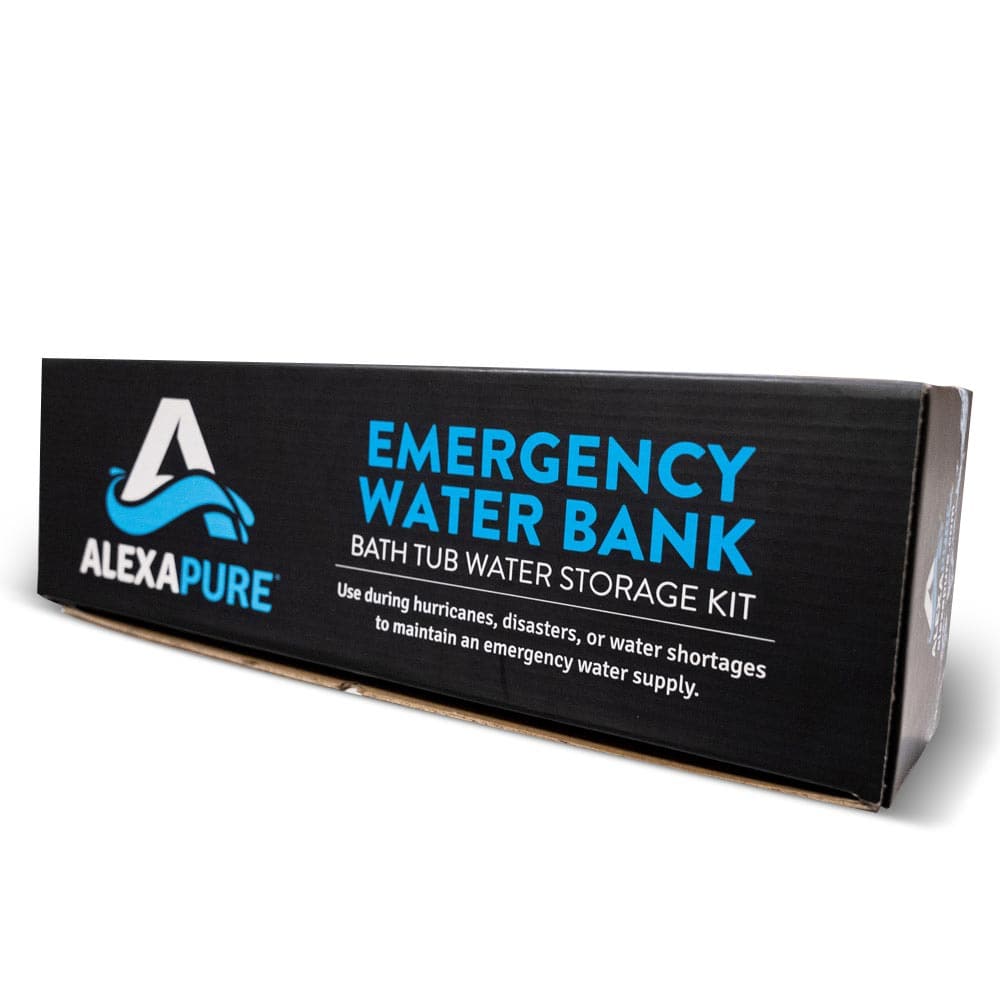
An emergency water bank with hand pump for storing a large volume of water before an outage or storm; check the current spec sheet for capacity details.
Why it's here: Listed because storage is the half of the water problem that filtration does not solve.
“Depending on your well's construction, it may be possible to install a simple hand pump as a secondary line in the same casing, so ask your well driller whether your setup allows i…” (rewritten to what the article can stand behind)
“Cast-iron burr mills clamped to a countertop are slow, and keeping them dry and lightly oiled is the main thing that protects the burrs from rust.” (rewritten to what the article can stand behind)
“If you do any amount of axe or scythe work, a foot-powered grindstone removes material fast without the risk of overheating and ruining the temper the way a powered bench grinder c…” (reasoning shown in the article)
“a hand-crank wringer squeezes out water before you hang clothes, which should shorten drying time compared to hanging them soaking wet, with no powered spin cycle at all.” (rewritten to what the article can stand behind)
“Hand-crank phone chargers, which owners commonly report produce very little current relative to the effort, so a small solar panel or a power bank is usually the better choice.” (rewritten to what the article can stand behind)
“A basic LED headlamp with stored batteries or a small solar charger will generally give you more usable light for the effort.” (rewritten to what the article can stand behind)
“A hand pump that hasn't been worked in six months may need priming and some patience before it flows freely.” (reasoning shown in the article)
Before you go
One useful off-grid email a week.
Practical gear rundowns, honest how-tos, and plain-English guides from someone doing the homework in the open.
I am building a place for off-grid people to swap real answers: a forum by topic, classifieds for gear and services, and real estate for off-grid land and homes. It is new, so the early members shape what it becomes. A free account lets you post in all three.
Grounding gets skipped on more DIY solar builds than anyone admits. Here's what actually needs a ground rod, why, and how to tell if your system is wired safely.
Signing up with the local volunteer fire department is one of the fastest, most honest ways to become a real neighbor in a rural area. Here's what it actually involves.
A practical, no-nonsense look at what it actually takes to live off the grid, from power and water to food storage, mistakes to avoid, and honest trade-offs.