If you've chosen a piece of land with trees, brush, tall grass, or a long dirt road as your only way out, you've also chosen to live with wildfire risk, whether you've fully admitted that to yourself yet or not. This isn't meant to scare you off remote land. It's meant to get you thinking about wildfire the same practical way you think about your well or your wood stove: as a known hazard with known mitigations, not a vague dread you push to the back of your mind.
Off-grid homesteaders often move to wooded or brushy country precisely because it's cheap, private, and undeveloped. Those same qualities (dense fuel, limited road access, distance from fire departments) are exactly what makes wildfire dangerous out there. Rural fire response often takes far longer than it does in town, and volunteer departments may simply not have the equipment for a fast-moving wildland fire. That means your own preparation, not a fire truck, is your first and often only line of defense.
Understanding your actual risk
Wildfire risk isn't uniform. It depends on your local fuel type (grass burns fast and low, brush burns hot, timber can crown and cast embers well ahead of the fire), your slope (fire generally moves faster uphill), your regional fire season, and your access road. Before you do anything else, it's worth finding out if your county or state has a wildfire risk mapping tool, many do, and looking up your specific parcel. That single search will tell you more about your real exposure than any generic checklist.
It's also worth understanding that most homes lost in wildfires don't burn because a wall of flame rolled over them. They ignite from wind-blown embers landing on a roof, in a gutter, under a deck, or against a wood pile stacked next to the house, sometimes hours after the main fire front has passed. This is genuinely good news for people who prepare, because it means defensible space and a few structural details matter more than raw luck.
Building real defensible space
Defensible space is usually described in zones radiating out from your structures, and while exact distances vary by region and local code, the underlying logic is consistent everywhere.
Zone 1 (0 to 5 feet from the structure). This is the most important zone and the one people skip. Keep this strip essentially noncombustible: gravel, pavers, or bare mineral soil instead of bark mulch or plants pressed against the siding. No firewood stacked against the house, no propane tanks tucked under a window, no dry leaves in the gutters. Screen any vents with metal mesh (1/8 inch) to stop embers from getting into the attic or crawlspace, which is one of the most common ways homes are lost.
Zone 2 (5 to 30 feet). Space out trees and shrubs so their canopies don't touch, remove dead branches and "ladder fuels" (the low branches and brush that let a ground fire climb into the tree canopy), and keep grass mowed short. Move the woodshed, the propane tank, and any outbuildings full of fuel or lumber out of this zone if you can, or at minimum keep the ground around them clear.
Zone 3 (30 to 100+ feet, or to your property line). Thin out dense stands of trees, remove dead and downed wood, and break up continuous brush so fire has to work harder to keep moving. You don't need a manicured lawn out here, just gaps in the fuel.
This work is genuinely never finished. Grass grows back, trees drop branches, pine needles pile up in the fall. Treat defensible space maintenance as a seasonal chore, the same way you treat splitting firewood or checking your chimney and flue for creosote buildup, rather than a one-time project.
The roof, the deck, and the details that actually save houses
If you're still in the planning or building stage, a metal or Class A fire-rated roof is one of the single best investments you can make against wildfire, more effective than it may appear. Wood shake roofs are particularly vulnerable to ember ignition.
Decks are another weak point, especially if there's open space underneath where embers and leaves can collect. Enclosing the underside of a deck, or at minimum keeping it clear of stored firewood, propane, and dry debris, closes off a common ignition path.
If you're choosing a foundation for an off-grid cabin, it's worth thinking about how that choice affects the space underneath the structure too. A pier or skid foundation with open space below can collect embers and debris just like a deck does, so skirting that space with metal mesh or noncombustible material is a small addition that pays off if fire ever comes through.
Double-paned windows resist heat better than single-pane, and metal gutter guards keep dry leaves from turning your gutters into ember catchers every autumn.
Water, and why your well matters here too
An off-grid property with its own well and a gravity-fed or pressurized water system has a real advantage in a wildfire: you may be able to run a garden hose or a small pump to wet down structures and vegetation ahead of an approaching fire, even if grid power and municipal water are unavailable to everyone else. If you're still in the planning stages of drilling or driving a well, it's worth asking your driller about a dedicated spigot or standpipe near the house specifically for this purpose, separate from your household plumbing, so a pump failure or line break inside the house doesn't take out your only firefighting water source.
A stock tank, pond, or even a large cistern with a gas-powered transfer pump and enough hose to reach around the house is a low-tech, high-value addition. Ask your local department whether they draft from ponds or tanks (dry hydrants or drafting points) where there's no municipal hydrant, since a usable water source on your land may help you and any crew that reaches you.
Evacuation planning: know your triggers before you need them
The single most dangerous mistake in a wildfire is waiting too long to decide. Smoke, wind shifts, and fire behavior can change in minutes, and roads that were clear an hour ago can become impassable or closed by authorities with no warning.
Decide your evacuation triggers ahead of time, in writing, when you're calm. Common triggers include a red flag warning combined with visible smoke, an official evacuation warning (not yet an order) for your zone, or simply a gut feeling that conditions have shifted. Waiting for an official evacuation order is often too late for people on long rural roads, because by the time an order is issued for a scattered rural area, the fire may already be close.
Know at least two routes off your property if at all possible. A single dirt road in and out is a real vulnerability, the same one that matters for winter isolation, and it's worth walking or driving both routes in daylight, non-emergency conditions so you're not discovering a locked gate or a washed-out culvert for the first time during a fire.
Register for your county's emergency alert system if one exists, and don't rely solely on cell service, since a weak signal off-grid can drop out entirely when towers lose power or get overwhelmed. A battery or hand-crank NOAA weather radio is a genuinely useful backup for exactly this reason.
The go-bag: what actually belongs in it
A wildfire go-bag is different from a general bug-out bag in one important way: you may have only minutes, not hours, so it needs to be pre-packed, staged by the door or in the vehicle, and never "something I'll throw together when it happens."
Core contents worth including:
Copies of important documents (property deed, insurance policy, ID, medical records) in a waterproof bag or on a USB drive
A basic first-aid kit plus any prescription medications, at least a week's supply
N95 or P100 masks for smoke, and eye protection
A change of clothes in natural fibers such as cotton or wool, which do not melt the way many synthetics can, plus sturdy shoes
Headlamp, portable radio, phone charger or small power bank
Cash in small bills, since card networks and ATMs may be down
Water and shelf-stable food for a day or two
Pet carriers, leashes, and livestock halters staged and ready, not buried in a shed
For livestock and larger animals, the honest reality is that evacuation planning has to happen well before a fire, not during one. Know where you'd take animals (a fairground, a neighbor's property, a boarding facility) and have trailers or transport arranged or at least mapped out ahead of time. Many people underestimate how long it takes to load reluctant or frightened livestock, and that time is exactly what you won't have when a fire is close.
Defending in place versus leaving: an honest conversation
Some experienced rural residents choose to stay and actively defend a well-prepared property rather than evacuate, closing up the house, clearing last-minute debris, and using a hose to knock down spot fires as they land. This is a genuinely dangerous strategy for anyone without training and equipment, and it should never be the default plan; check what your local fire agency advises. If your property lacks serious defensible space, a fire-resistant roof, and a reliable independent water source, staying to defend is a much higher-risk gamble than it might feel like in the moment.
The safer version of this conversation is deciding, honestly and in advance, what "too risky to stay" looks like for your specific property and your specific skills, and committing to leave well before that point rather than after.
Building the habit, not just the plan
Wildfire prep, like most resilience work, is less about one perfect plan and more about a handful of habits repeated every season: clearing gutters in the fall, mowing defensible space in early summer before things dry out, walking your evacuation routes once a year, checking that your go-bags still have current documents and unexpired medication.
If you're still assembling your broader emergency systems, from water filtration to property security, wildfire planning fits naturally alongside that work rather than as a separate project. A lot of the same principles (know your risks, build in redundancy, decide things ahead of time instead of in a panic) carry over directly.
For more on building out a full resilience plan for remote living, my start here page collects the gear and system guides that pair well with this kind of preparation, and the rest of my blog covers the seasonal and situational planning that goes with it. If you've got questions specific to your property or region, feel free to reach out; wildfire risk varies enormously by area and I'm always glad to help point someone toward the right local resources.
The rest of the shortlist
Recommended off-grid gear
Affiliate disclosure: Some links on this site are affiliate links, including Amazon links: as an Amazon Associate I earn from qualifying purchases. Buying through one costs you nothing extra, and it never changes what I recommend.
Products appear here only when they match this article's subject. Selection is based on documented specs and owner reports, never on compensation; pages with no relevant gear carry none.
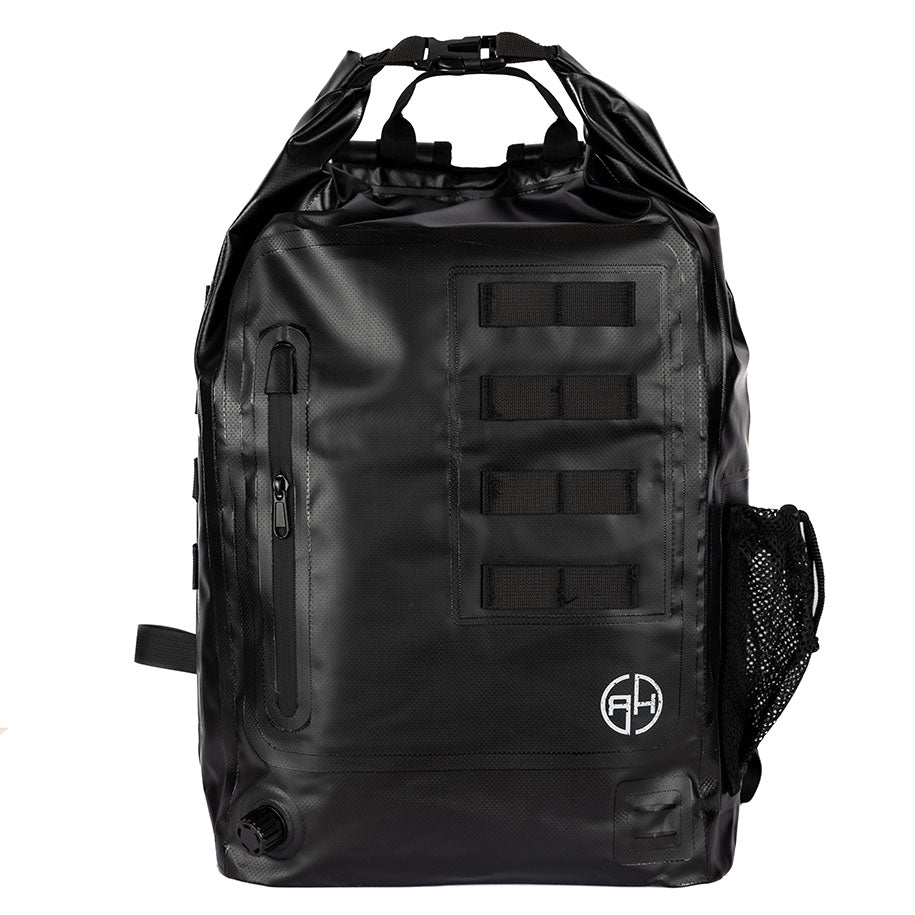
A waterproof backpack built as a faraday bag to shield phones, laptops and radios from EMP and signals, for preppers protecting electronics; check the current spec sheet.
The main My Patriot Supply storefront, covering emergency food kits, water filtration, solar generators, seeds and survival gear for households building a preparedness plan.
Why it's here: A storefront rather than a product, listed for comparing the full range against the specific kits on this site.
A backpack built as a faraday bag to shield phones, laptops and radios from EMP and signals, for preppers protecting electronics; check the current spec sheet.
Why it's here: Listed for the narrow case it actually addresses. Any faraday claim is worth testing yourself before you rely on it.
Claim audit: 12 consequential claims checked against the article's sources; unsupported wording revised where it could not be substantiated.
Claim-by-claim audit (12 checked)
“Rural fire response often takes far longer than it does in town, and volunteer departments may simply not have the equipment for a fast-moving wildland fire.” (rewritten to what the article can stand behind)
“It depends on your local fuel type (grass burns fast and low, brush burns hot, timber can crown and cast embers well ahead of the fire), your slope (fire generally moves faster uph…” (rewritten to what the article can stand behind)
“It's also worth understanding that most homes lost in wildfires don't burn because a wall of flame rolled over them.” (cited → nfpa.org)
“They ignite from wind-blown embers landing on a roof, in a gutter, under a deck, or against a wood pile stacked next to the house, sometimes hours after the main fire front has pas…” (cited → nfpa.org)
“Screen any vents with metal mesh (1/8 inch) to stop embers from getting into the attic or crawlspace, which is one of the most common ways homes are lost.” (cited → nfpa.org)
“If you're still in the planning or building stage, a metal or Class A fire-rated roof is one of the single best investments you can make against wildfire, more effective than it ma…” (cited → nfpa.org)
“Wood shake roofs are particularly vulnerable to ember ignition.” (cited → nfpa.org)
“Double-paned windows resist heat better than single-pane, and metal gutter guards keep dry leaves from turning your gutters into ember catchers every autumn.” (cited → nfpa.org)
“Ask your local department whether they draft from ponds or tanks (dry hydrants or drafting points) where there's no municipal hydrant, since a usable water source on your land may …” (rewritten to what the article can stand behind)
“Waiting for an official evacuation order is often too late for people on long rural roads, because by the time an order is issued for a scattered rural area, the fire may already b…” (reasoning shown in the article)
“A change of clothes in natural fibers such as cotton or wool, which do not melt the way many synthetics can, plus sturdy shoes” (rewritten to what the article can stand behind)
“This is a genuinely dangerous strategy for anyone without training and equipment, and it should never be the default plan; check what your local fire agency advises.” (rewritten to what the article can stand behind)
Before you go
One useful off-grid email a week.
Practical gear rundowns, honest how-tos, and plain-English guides from someone doing the homework in the open.
I am building a place for off-grid people to swap real answers: a forum by topic, classifieds for gear and services, and real estate for off-grid land and homes. It is new, so the early members shape what it becomes. A free account lets you post in all three.
No ER ten minutes away means you have to be your own triage nurse. Here's how to tell a bad bee sting from the real emergency, and what to actually stock.
In many off-grid disasters, the fire or flood itself isn't the decisive factor, it's the hour you waited too long to leave. Here's how to set real, numeric triggers before you need them.
Tax sale and sheriff's auction land looks like a bargain, but redemption periods, hidden liens, and unseen parcels turn a lot of cheap acreage into an expensive lesson. Here's how to vet a listing before you bid.