A rusty hasp on the outhouse door, a milking stand three people touch before breakfast, a shared hand pump handle everyone grabs with dirty gloves. These are the surfaces that can spread illness through a small off-grid household or a cluster of neighboring cabins, and they are easy to leave off a sanitation checklist. Off-grid sanitation advice often fixates on the big-ticket items: composting toilets, greywater beds, water filtration. All of that matters. But the quiet vector that keeps showing up in rural health outreach materials is shared surface contact, the doorknobs, tool handles, and communal fixtures that go untouched by any cleaning routine because there's no municipal inspector checking and no dishwasher cycle running a sanitize setting automatically.
This post is about that gap: how to actually sanitize the tools, surfaces, and touchpoints you share, without turning your homestead into a bleach factory or draining a well you're already rationing.
Why this matters more off-grid, not less
In a city house, you've got hot running water at every sink, a washing machine that hits high heat, and a dishwasher with a sanitize cycle. Off-grid, water is often metered by the bucket, your washing machine (if you have one) may run on a wringer or a hand crank, and hot water might mean a kettle on the stove. That means the easy, thoughtless sanitizing that happens in a conventional home just doesn't happen automatically out here.
Add in shared tools across a family or a small community (post hole diggers, canning equipment, the outhouse itself, milking gear, a common well pump handle) and you've got more hand-to-surface-to-mouth opportunities than a typical single-family home with private everything. High-touch shared surfaces are worth attention as a possible transmission route for everyday illness, from norovirus to the common cold to livestock-associated bacteria like E. coli and Salmonella picked up from animal chores.
If you've already read our piece on handwashing and hygiene stations off-grid, you know the basics of getting soap and water to your hands. This post picks up from there and asks: once your hands are clean, what are they about to touch, and is that surface actually safe?
The three real threats on shared surfaces
It helps to separate what you're actually fighting, because the fix is different for each.
Enteric pathogens (norovirus, giardia, E. coli, salmonella) spread from fecal contamination, most commonly from outhouse hardware, animal handling, or unwashed hands after using a composting toilet. These are the ones that cause the classic "everyone in the cabin gets sick within 48 hours" event.
Skin and wound bacteria (staph, strep) live on tool handles, doorknobs, and shared bar soap, and matter most if anyone has an open cut, which happens often around a homestead. If you're managing a scrape or blister, cross-reference how you're keeping tools clean with your general wound care routine, since a contaminated tool handle can reinfect a healing cut faster than almost anything else.
Mold and general grime on damp surfaces (root cellar shelving, greywater buckets, compost bins) isn't usually acutely dangerous but degrades air quality and can trigger respiratory issues over a long winter shut indoors.
Each of these responds differently to heat, to chemical disinfectant, and to simple mechanical scrubbing, so a one-size-fits-all "spray everything with bleach" approach wastes your limited water and chemical stock on problems it isn't suited for.
Building a low-water disinfecting kit
You don't need running water to sanitize effectively. You need the right ratio of disinfectant to contact time, and a system for reusing that solution across several jobs before it's spent.
Chlorine bleach solution. A commonly used sanitizing dilution is about one tablespoon of unscented household bleach per gallon of water for general surface sanitizing, left in contact for at least one minute before wiping or air-drying; check current EPA and CDC pages for the dilution they specify. For visibly soiled surfaces (an outhouse seat, an animal pen latch), clean the grime off first with soap and water, then apply the bleach solution, because organic matter neutralizes chlorine's disinfecting power fast. Mix it in a labeled spray bottle and treat diluted solution as short-lived, since chlorine weakens over time, so make small batches rather than a five-gallon bucket you'll use for a week.
Isopropyl alcohol (70 percent). Great for small, frequently touched items: pump handles, tool grips, doorknobs, phone and radio surfaces. It evaporates fast, needs no rinsing, and doesn't corrode metal the way bleach can with repeated exposure. Keep a spray bottle by any hand pump or shared fixture and make wiping it down part of the routine, not an afterthought.
Heat. For anything that can tolerate it (metal tools, glass jars, ceramic dishware), heat is often your cheapest and most reliable sanitizer. A rolling boil for one minute kills essentially everything of concern according to CDC water treatment guidance, and the same principle applies to tool sanitizing: a quick pass through boiling water or a few minutes in a solar oven does real work without spending a drop of your disinfectant stock.
Sunlight (UV). Not a substitute for the above, but a genuinely useful supplement. Laying tools, cutting boards, or bedding out in direct sun for a few hours may help, though sun exposure is not a verified disinfection method, so treat it as a supplement when water is tight. It won't sanitize as reliably as bleach or heat, but as a daily habit for things like cutting boards and rags, it stretches your other resources further.
The touchpoints people forget
Walk your property and make a real list, because the ones that matter are rarely the ones you'd guess first.
The outhouse door latch and seat lid, touched by bare or gloved hands multiple times a day
The hand pump handle or spigot, touched before hands are washed, not after
Tool handles shared between household members and any hired help, which ties directly into the trust and hygiene issues covered in our piece on hiring first-year contractors
Milking stands, egg baskets, and livestock gate latches
The handle of any shared water jug or dipper
Light switches and door handles in a shared bunkhouse or guest cabin
The lid and scoop of a composting toilet's cover material bin, if you're running a Nature's Head Composting Toilet or similar unit
That last one deserves a note: composting toilets are excellent sanitation tools, but the scoop or shaker used to add cover material after each use is handled by everyone in the household, often with hands that haven't been washed yet. Keep a small container of hand sanitizer or a wipe right at the unit, not just at the sink across the room, because the extra ten feet is exactly the gap where the habit breaks down.
A realistic weekly routine, not a daily chore list
Nobody sustains a twice-daily disinfecting ritual for months on end, and pretending you will just sets you up to feel guilty and quit. Build something you'll actually keep doing.
Daily, thirty seconds each: wipe the outhouse latch and pump handle with alcohol spray, done in passing.
Every 2 to 3 days: bleach-solution wipe of the milking stand, animal pen latches, and any tool handles used for messy chores that week.
Weekly: boil or sun-sanitize cutting boards, dish rags, and any cloth hand towels near hygiene stations. Rinse and refill spray bottles with fresh dilution rather than topping off an old one.
After any illness in the household: a full pass with bleach solution on every shared touchpoint, plus separate towels and dishware for the sick person until symptoms clear, and check CDC norovirus pages for their current cleaning recommendations.
Writing this down somewhere visible (a laminated card by the pump, a chalkboard by the outhouse) does more for compliance than any amount of good intention, particularly once decision fatigue sets in and every small task starts to feel like one more thing to remember.
Where people get this wrong
A mistake that comes up again and again in homesteading forums is over-reliance on a single method, usually bleach, applied inconsistently because it's the only tool people think to reach for. Bleach is generally understood to lose potency in sunlight and heat and to be harsh on skin, lungs, and metal fittings, so check the product label for storage and handling directions. Rotating between heat, alcohol, and sun exposure spreads the load and keeps you from running out of your one disinfecting option at the worst time.
Another common problem is treating hand sanitizing and surface sanitizing as the same task. Hand sanitizer (alcohol-based gel) is for hands. It is not an efficient or cost-effective way to disinfect a milking stand or an outhouse seat, both because of the volume needed and because gel formulations aren't designed for porous or heavily soiled surfaces. Match the tool to the job.
Finally, don't ignore ventilation. Chlorine fumes in a tightly sealed cabin or outhouse, especially one built for the kind of tight envelope discussed in guides on air-sealing an off-grid cabin, can build up uncomfortably fast in a small enclosed space. Crack a window, prop the outhouse door, or step outside while the solution sits for its contact time.
Stocking for the long haul
Because you can't run to the store for more bleach every month, think in terms of a rotating stock rather than a single jug. Unscented household bleach loses potency over time, so check the shelf-life date printed by the manufacturer and buy smaller containers more often rather than one giant drum you'll use for years. Isopropyl alcohol stores far longer if kept sealed and out of direct sun. Keep both, along with a supply of spray bottles, microfiber cloths, and a dedicated set of gloves for outhouse and animal-pen cleaning that never touches the kitchen.
If you're setting this system up as part of a broader supply plan, it fits naturally alongside the guidance in our FAQ on general off-grid readiness, and it's worth a mention the next time you're stocking up via our contact page if you want pointers on quantities for a specific household size.
The bigger picture
Sanitation off-grid isn't one system, it's a layered set of habits: a good composting toilet or outhouse, a working greywater plan, clean drinking water, careful handwashing, and, sitting quietly underneath all of it, a routine for the surfaces everyone touches without thinking. Skip that last layer and you can do everything else right and still pass around a stomach bug that keeps the whole household down for a week.
The good news is that this is one of the cheaper, lower-effort pieces of the sanitation puzzle to get right. A few spray bottles, a small stock of bleach and alcohol, a habit of using sunlight and heat when water is short, and a written routine posted somewhere you'll actually see it. None of it requires new infrastructure or a big purchase, just the discipline to treat shared surfaces with the same seriousness you already give your water and your toilet system.
Explore more of our sanitation and water coverage if you're still filling in gaps in your system, or check the home page for a fuller picture of what a well-rounded off-grid setup looks like season to season.
The rest of the shortlist
Recommended off-grid gear
Affiliate disclosure: Some links on this site are affiliate links, including Amazon links: as an Amazon Associate I earn from qualifying purchases. Buying through one costs you nothing extra, and it never changes what I recommend.
Products appear here only when they match this article's subject. Selection is based on documented specs and owner reports, never on compensation; pages with no relevant gear carry none.
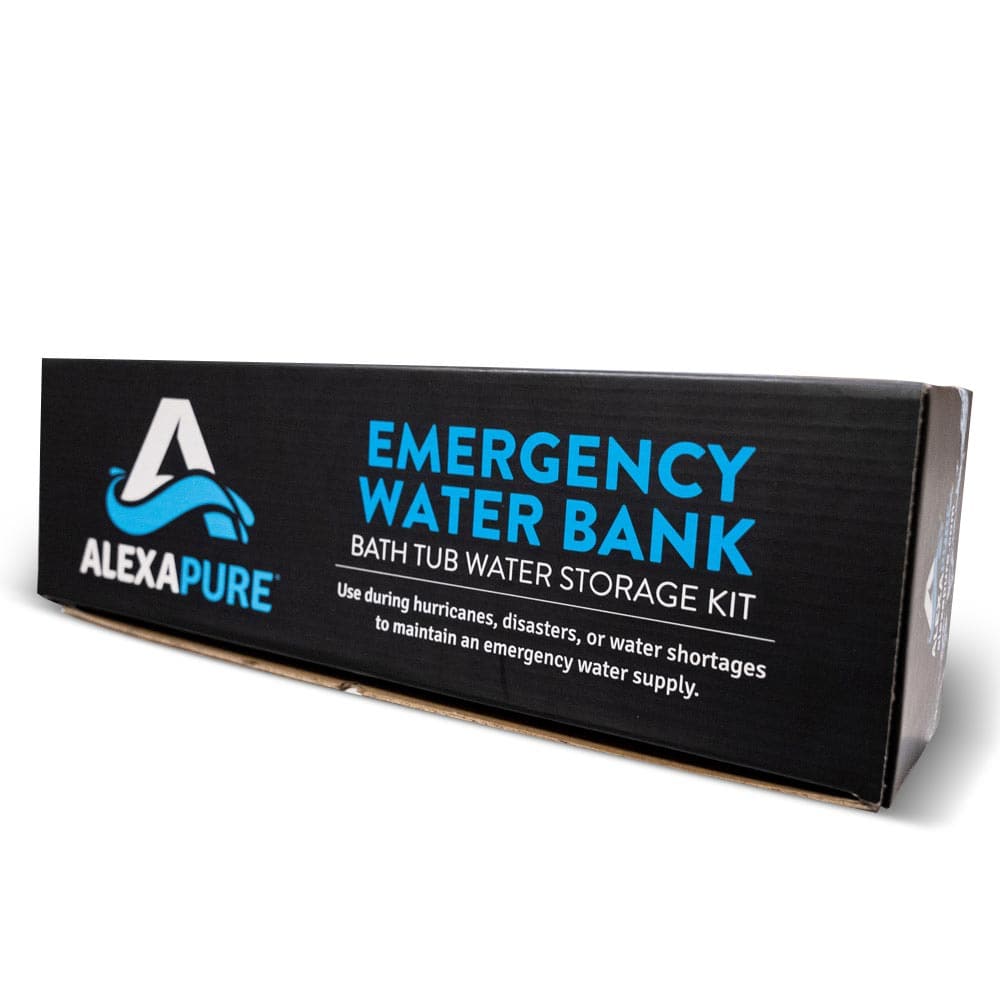
An emergency water bank with hand pump for storing a large volume of water before an outage or storm; check the current spec sheet for capacity details.
Why it's here: Listed because storage is the half of the water problem that filtration does not solve.
“High-touch shared surfaces are worth attention as a possible transmission route for everyday illness, from norovirus to the common cold to livestock-associated bacteria like E. col…” (rewritten to what the article can stand behind)
“A commonly used sanitizing dilution is about one tablespoon of unscented household bleach per gallon of water for general surface sanitizing, left in contact for at least one minut…” (rewritten to what the article can stand behind)
“For visibly soiled surfaces (an outhouse seat, an animal pen latch), clean the grime off first with soap and water, then apply the bleach solution, because organic matter neutraliz…” (reasoning shown in the article)
“Mix it in a labeled spray bottle and treat diluted solution as short-lived, since chlorine weakens over time, so make small batches rather than a five-gallon bucket you'll use for …” (rewritten to what the article can stand behind)
“A rolling boil for one minute kills essentially everything of concern according to CDC water treatment guidance, and the same principle applies to tool sanitizing: a quick pass thr…” (cited → epa.gov)
“Laying tools, cutting boards, or bedding out in direct sun for a few hours may help, though sun exposure is not a verified disinfection method, so treat it as a supplement when wat…” (rewritten to what the article can stand behind)
“Bleach is generally understood to lose potency in sunlight and heat and to be harsh on skin, lungs, and metal fittings, so check the product label for storage and handling directio…” (rewritten to what the article can stand behind)
“Unscented household bleach loses potency over time, so check the shelf-life date printed by the manufacturer and buy smaller containers more often rather than one giant drum you'll…” (rewritten to what the article can stand behind)
“**After any illness in the household:** a full pass with bleach solution on every shared touchpoint, plus separate towels and dishware for the sick person until symptoms clear, and…” (rewritten to what the article can stand behind)
Before you go
One useful off-grid email a week.
Practical gear rundowns, honest how-tos, and plain-English guides from someone doing the homework in the open.
I am building a place for off-grid people to swap real answers: a forum by topic, classifieds for gear and services, and real estate for off-grid land and homes. It is new, so the early members shape what it becomes. A free account lets you post in all three.
Grounding gets skipped on more DIY solar builds than anyone admits. Here's what actually needs a ground rod, why, and how to tell if your system is wired safely.
Signing up with the local volunteer fire department is one of the fastest, most honest ways to become a real neighbor in a rural area. Here's what it actually involves.
A practical, no-nonsense look at what it actually takes to live off the grid, from power and water to food storage, mistakes to avoid, and honest trade-offs.