If you have ever watched a squash plant throw flower after flower and set nothing but shriveled little nubs, you already know the problem. It is not disease, it is not soil, and it is not bad luck. Nobody moved the pollen from the male flower to the female flower, and out on a lot of off-grid land, there simply may not be enough insects around to do that job for you.
This catches new growers off guard because gardening books assume a background hum of pollinators that a lot of off-grid properties do not have. If you are miles from your nearest neighbor, planted your first orchard block in isolation, had a cold wet spring that kept bees grounded during bloom, or you are growing in a greenhouse or hoop house where insects cannot get in at all, hand pollination is not a gimmick. It is the difference between a full harvest and an empty one.
Why pollinators go missing off-grid
Honeybee colonies have been under pressure for years from mites, disease, and habitat loss, a trend documented by USDA research on pollinator health. Wild native bees fill some of the gap in a lot of landscapes, but their numbers depend heavily on what is blooming nearby and whether pesticides are in use anywhere upwind. A newly cleared off-grid parcel, especially one that was logged or bulldozed before you arrived, may simply not have built up a resident population of native pollinators yet. It can take several seasons of flowering plants, brush piles, and undisturbed ground before mason bees, bumblebees, and other wild pollinators find your place and settle in.
Weather is the other big variable. Bees fly poorly in cold weather, and they avoid wind, rain, and heavy overcast. If your fruit trees bloom during a cold snap, which can happen with early stone fruit like apricots and peaches, you can lose the entire pollination window even if you have healthy hives nearby. This is one of the more frustrating realities of the kind of season extension work covered in our post on stretching your growing calendar: pushing bloom earlier to dodge frost also means pushing it into a stretch of weather bees will not fly in.
Greenhouses and hoop houses create a third kind of problem. Enclosed structures keep pollinators out entirely unless you deliberately let them in, and many off-grid growers use season extension structures specifically to get an early tomato or pepper crop going before outdoor conditions allow it. Tomatoes are self-fertile and mostly wind-pollinated, but they still need some kind of vibration to release pollen, and still air inside a sealed structure does not provide that.
Which crops actually need help
Not every plant needs your intervention. Corn is wind-pollinated and mostly takes care of itself if you plant it in blocks rather than a single row. Beans, peas, and lettuce are self-pollinating and rarely need assistance. Most fruit trees are the crops that benefit most from a manual assist when pollinator numbers are low, along with the whole squash and cucumber family, which have separate male and female flowers on the same plant and depend entirely on something moving pollen between them.
Squash, pumpkins, melons, and cucumbers are the easiest crops to learn on because the flowers are large, the anatomy is obvious once you know what you are looking for, and the payoff is immediate. Tree fruits like apples, pears, and stone fruit are more work because bloom is brief and weather-dependent, but a hand-pollinated tree can mean the difference between a full crate of fruit and a handful of fruit for an orchard block that is not yet mature enough to attract bees on its own.
Hand-pollinating squash and cucumbers
Squash flowers open in the morning and often close by early afternoon, so timing matters. Look for the male flower, which has a straight thin stem and a stamen coated in pollen, and the female flower, which has a small swollen bulge right behind the petals. That bulge is the immature fruit, and it will only develop if pollen reaches the female flower's stigma.
The simplest method is to pick a male flower, strip off the petals so you are left with the stamen, and gently rub it against the center of an open female flower so pollen transfers onto the stigma. A small artist's paintbrush works just as well if you would rather not sacrifice flowers, and it lets you pollinate several female flowers with pollen from one male. Do this in the morning while flowers are open and pollen is fresh. One male flower usually has enough pollen for two or three female flowers.
Cucumbers work the same way, though some modern cucumber varieties are bred to be parthenocarpic, meaning they set fruit without pollination at all. Check your seed packet. If you saved your own seed using the methods in our post on keeping a real seed bank, you likely know exactly which variety you are growing and whether it needs this step.
Hand-pollinating fruit trees
Tree fruit is trickier because bloom windows are short, often just a week or two, and a lot of fruit trees are not self-fertile, meaning you need pollen from a genetically different variety of the same species nearby. Before you even think about hand pollination, check whether your trees are self-fertile or need a pollinator partner. Most apples, and many pear and sweet cherry varieties, need a second variety blooming at the same time to set fruit at all. If you only planted one apple tree, no amount of hand pollination will fix that; you need a second tree.
Assuming you have compatible varieties, the process is straightforward but time sensitive. Collect pollen from freshly opened blossoms using a small dry paintbrush or even a cotton ball, tapping it gently into the center of each flower to pick up the yellow pollen. Then brush that pollen onto the center of open flowers on the tree you are trying to pollinate. Do this once a day during the bloom window, ideally in the late morning after any dew has dried, since wet pollen does not transfer well.
Some growers collect pollen in bulk early in the season by clipping blossom clusters just as they open, drying them indoors on paper for a day or two, then sieving the pollen through a fine mesh into a small jar. That stored pollen can be applied with a brush over several days, which is useful when only a few flowers open at a time or when weather keeps you from doing it daily.
Vibrating tomatoes and peppers
Tomatoes, peppers, and eggplant do not need pollen moved from one flower to another, they need the existing pollen inside each flower to be shaken loose so it can fertilize the same flower's ovary. In the field, wind and bumblebee wing vibration ("buzz pollination") does this. Inside a greenhouse or hoop house, you have to substitute for that yourself.
The cheapest tool is an electric toothbrush. Hold the vibrating brush against the flower cluster's stem for a second or two, once every day or two during bloom, and you will see a small puff of pollen release. A small battery-powered fan running continuously in a greenhouse also helps by keeping air moving enough to shake pollen loose on its own, and it has the side benefit of reducing fungal disease pressure from stagnant humid air, which matters a lot in the kind of enclosed growing space discussed in our piece on a year-round food plan for off-grid living.
Attracting pollinators so you need this less
Hand pollination is a real skill worth having, but it is also a stopgap. The better long-term fix is building habitat that brings pollinators to you. Leave a patch of ground undisturbed for ground-nesting native bees. Plant a mix of flowering herbs like borage, oregano, and dill and let some go to flower instead of harvesting everything young. Stagger bloom times across the season so there is always something flowering, since a food source in April does nothing for a squash blooming in July.
Avoid spraying any pesticide, even organic ones like pyrethrin, during bloom hours, and if you must spray at all, do it in the evening after flowers close for the day. If you are running livestock, remember that a lot of pasture and hedgerow flowers double as pollinator forage, so the same fencing decisions that protect your garden can also protect the wild margins pollinators depend on if you plan them with that in mind.
Building a mason bee house is one of the higher-return projects for an off-grid orchard. Mason bees are gentle, do not sting readily, are active in cooler and wetter weather than honeybees, and are extremely efficient pollinators per individual bee. A simple block of drilled wood or a bundle of paper tubes mounted in a sheltered, sun-facing spot near your fruit trees can attract a resident population within a season or two, and once established they will keep coming back on their own.
What to expect and common mistakes
The biggest mistake new growers make is waiting too long to notice the problem. If your squash plants are blooming heavily but nothing is setting fruit, do not wait two more weeks hoping bees will show up. Start hand-pollinating that day, because the flowers you missed are gone for good by the following morning.
Another common mistake is confusing early blossom drop, which is normal, with a total pollination failure. Fruit trees commonly drop a portion of their fruit set in early summer, often called "June drop," which growers generally treat as separate from pollination failure. What you are watching for with pollination failure is flowers that never swell at all, or squash that starts to form and then yellows and rots at the tip within a few days, which is the classic sign of an unpollinated female flower.
Keep in mind that hand pollination takes real time during the exact weeks you are also busy with everything else in a spring garden. Block out fifteen or twenty minutes each morning during bloom for your most valuable crops, and treat it the same way you would treat any other daily chore that keeps your food system running, alongside the other groundwork covered in our broader getting started off-grid guide.
If this is your first season dealing with a pollination gap, do not panic and do not assume something is wrong with your soil or your plants. It is one of the more fixable problems in off-grid growing, and once you learn to read a flower, it becomes a five-minute task rather than a mystery.
The rest of the shortlist
Recommended off-grid gear
Affiliate disclosure: Some links on this site are affiliate links, including Amazon links: as an Amazon Associate I earn from qualifying purchases. Buying through one costs you nothing extra, and it never changes what I recommend.
Products appear here only when they match this article's subject. Selection is based on documented specs and owner reports, never on compensation; pages with no relevant gear carry none.
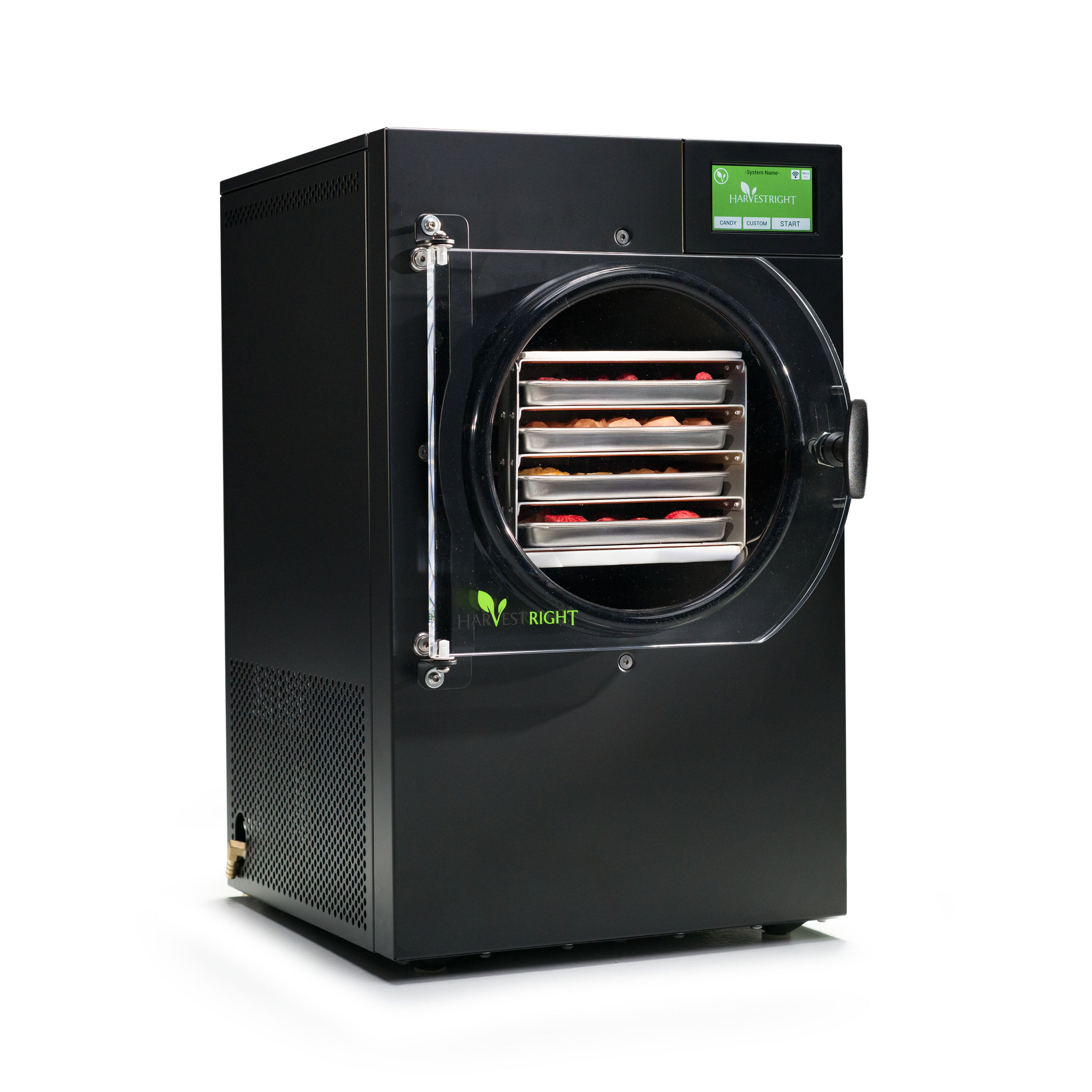
A serious investment that turns a garden glut, bulk meat, and leftovers into shelf-stable food that keeps for years when sealed in Mylar with oxygen absorbers; several chamber sizes, check current models and power draw.
Why it's here: Listed as the serious end of preservation: a large purchase that only makes sense if you are processing a real harvest every year.
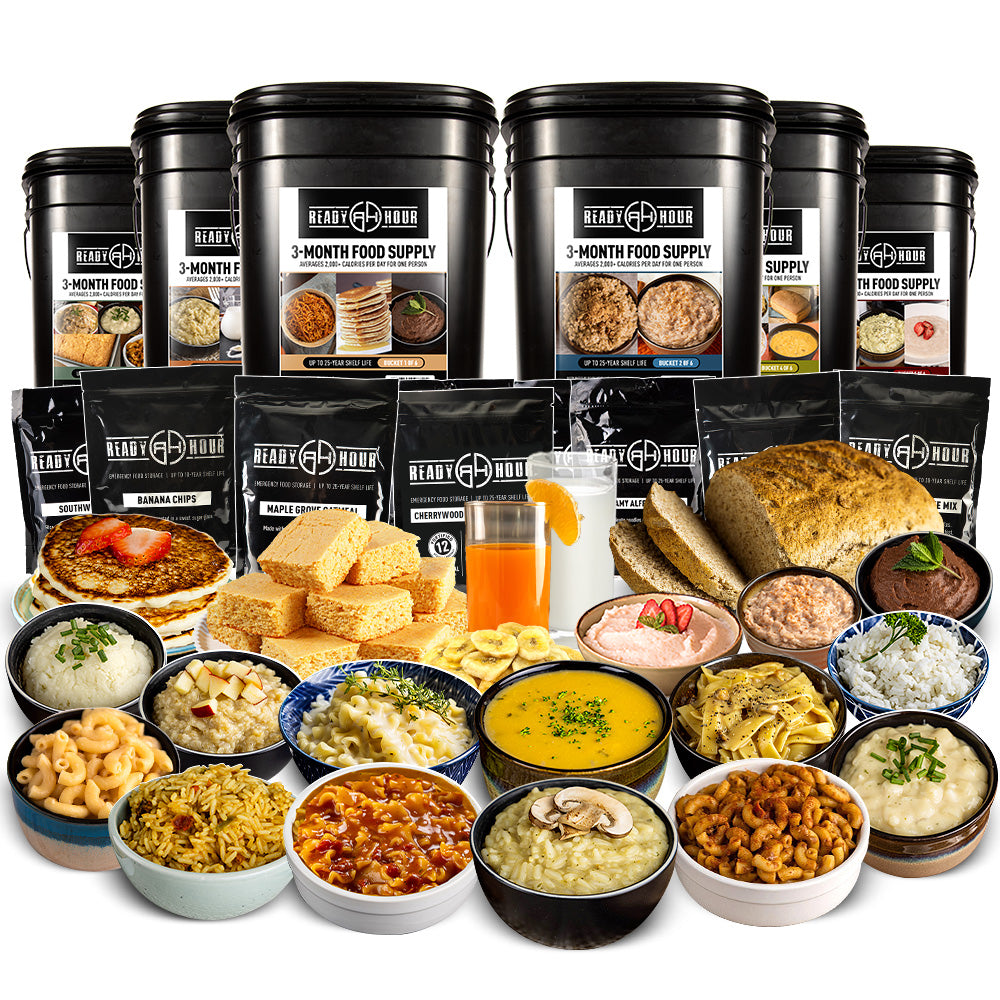
The full My Patriot Supply emergency food collection, from 72-hour sample packs to one-year supplies, for households stocking a long-term food reserve.
Why it's here: A shelf of bought calories buys time while you learn to grow and preserve your own. Listed as a bridge, not a plan.
“Honeybee colonies have been under pressure for years from mites, disease, and habitat loss, a trend documented by USDA research on pollinator health.” (cited → usda.gov)
“Bees fly poorly in cold weather, and they avoid wind, rain, and heavy overcast.” (rewritten to what the article can stand behind)
“Tomatoes are self-fertile and mostly wind-pollinated, but they still need some kind of vibration to release pollen, and still air inside a sealed structure does not provide that.” (cited → extension.oregonstate.edu)
“Most apples, and many pear and sweet cherry varieties, need a second variety blooming at the same time to set fruit at all.” (cited → extension.umn.edu)
“One male flower usually has enough pollen for two or three female flowers.” (cited → extension.psu.edu)
“Cucumbers work the same way, though some modern cucumber varieties are bred to be parthenocarpic, meaning they set fruit without pollination at all.” (cited → extension.psu.edu)
“In the field, wind and bumblebee wing vibration ("buzz pollination") does this.” (cited → extension.oregonstate.edu)
“A small battery-powered fan running continuously in a greenhouse also helps by keeping air moving enough to shake pollen loose on its own, and it has the side benefit of reducing f…” (cited → extension.oregonstate.edu)
“Mason bees are gentle, do not sting readily, are active in cooler and wetter weather than honeybees, and are extremely efficient pollinators per individual bee.” (cited → fs.usda.gov)
“Fruit trees commonly drop a portion of their fruit set in early summer, often called "June drop," which growers generally treat as separate from pollination failure.” (rewritten to what the article can stand behind)
“A simple block of drilled wood or a bundle of paper tubes mounted in a sheltered, sun-facing spot near your fruit trees can attract a resident population within a season or two, an…” (cited → fs.usda.gov)
Before you go
One useful off-grid email a week.
Practical gear rundowns, honest how-tos, and plain-English guides from someone doing the homework in the open.
I am building a place for off-grid people to swap real answers: a forum by topic, classifieds for gear and services, and real estate for off-grid land and homes. It is new, so the early members shape what it becomes. A free account lets you post in all three.
No ER ten minutes away means you have to be your own triage nurse. Here's how to tell a bad bee sting from the real emergency, and what to actually stock.
In many off-grid disasters, the fire or flood itself isn't the decisive factor, it's the hour you waited too long to leave. Here's how to set real, numeric triggers before you need them.
Tax sale and sheriff's auction land looks like a bargain, but redemption periods, hidden liens, and unseen parcels turn a lot of cheap acreage into an expensive lesson. Here's how to vet a listing before you bid.